العربية
 فارسى
 Türkçe
 اُردُو
 Français
 Deutsch
 Kiswahili
 Español
 Azərbaycan

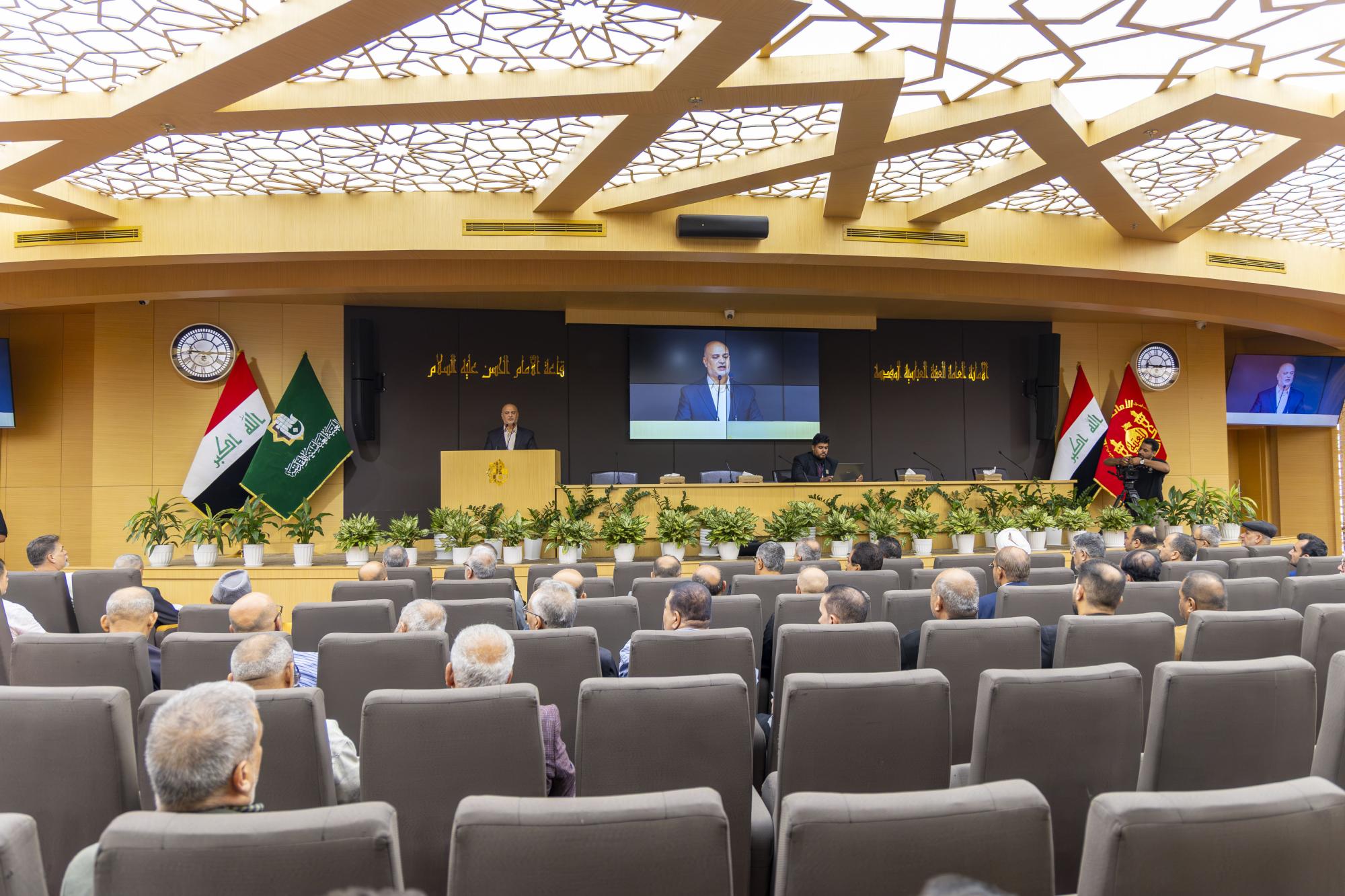
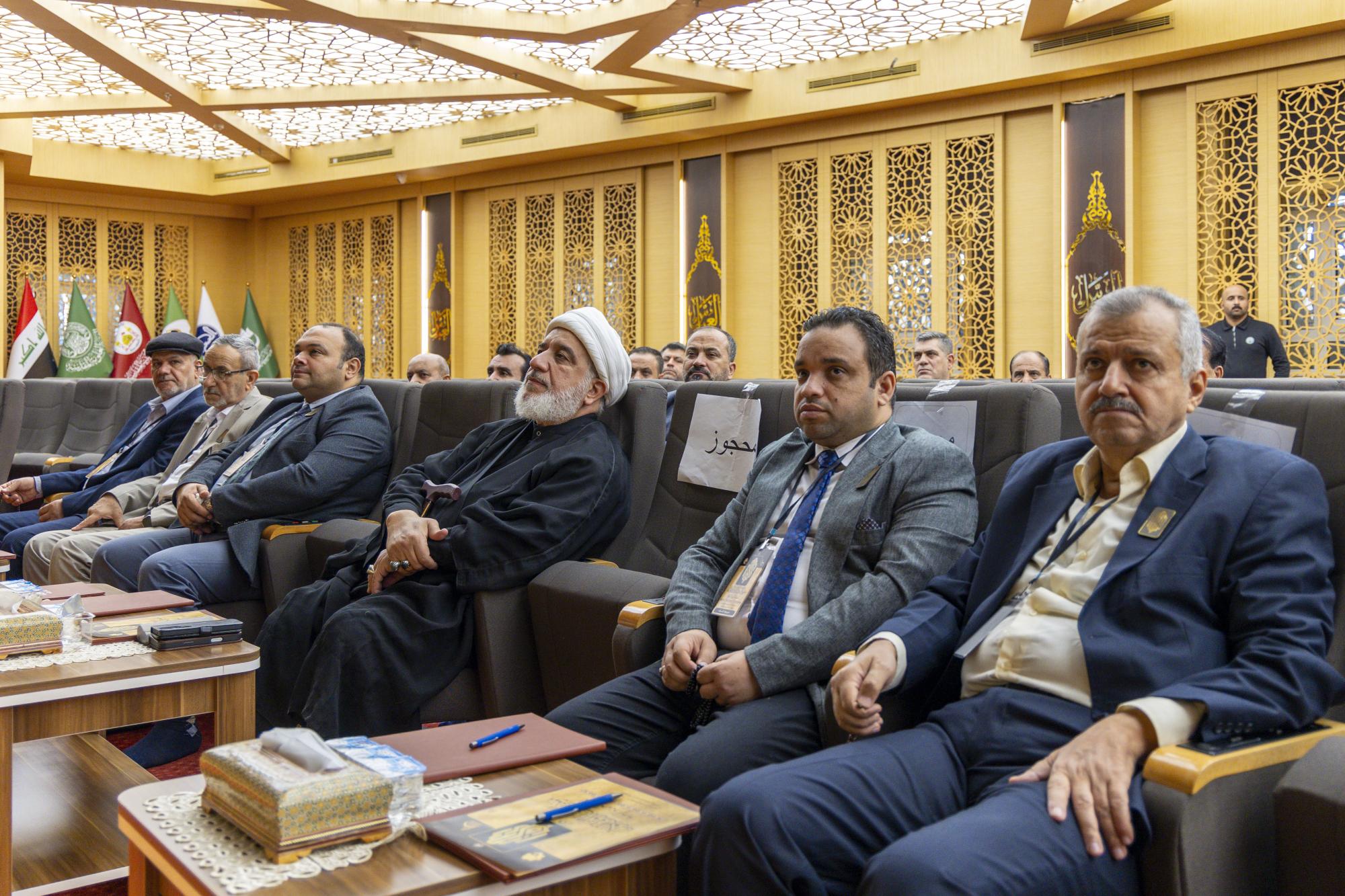
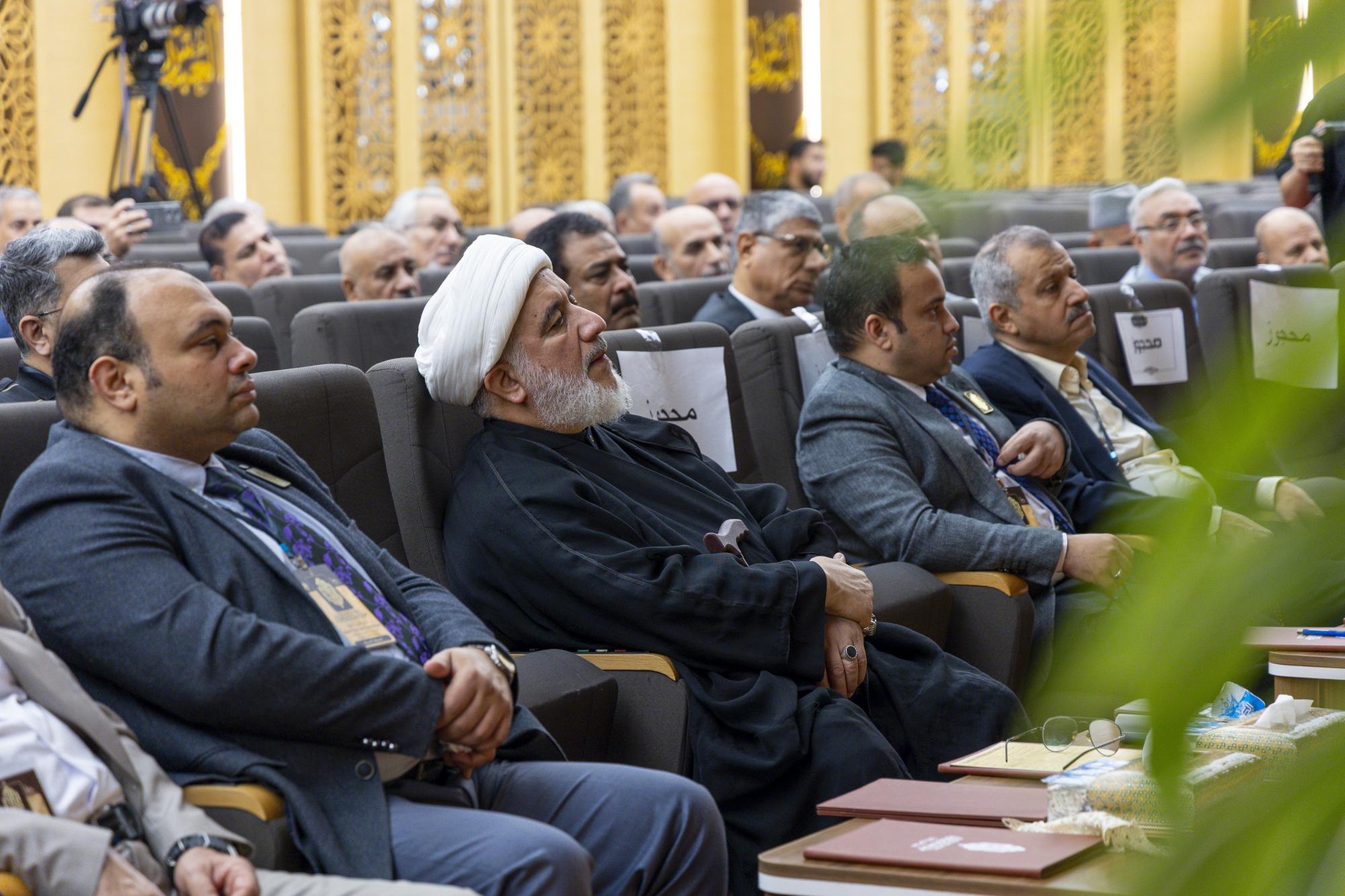
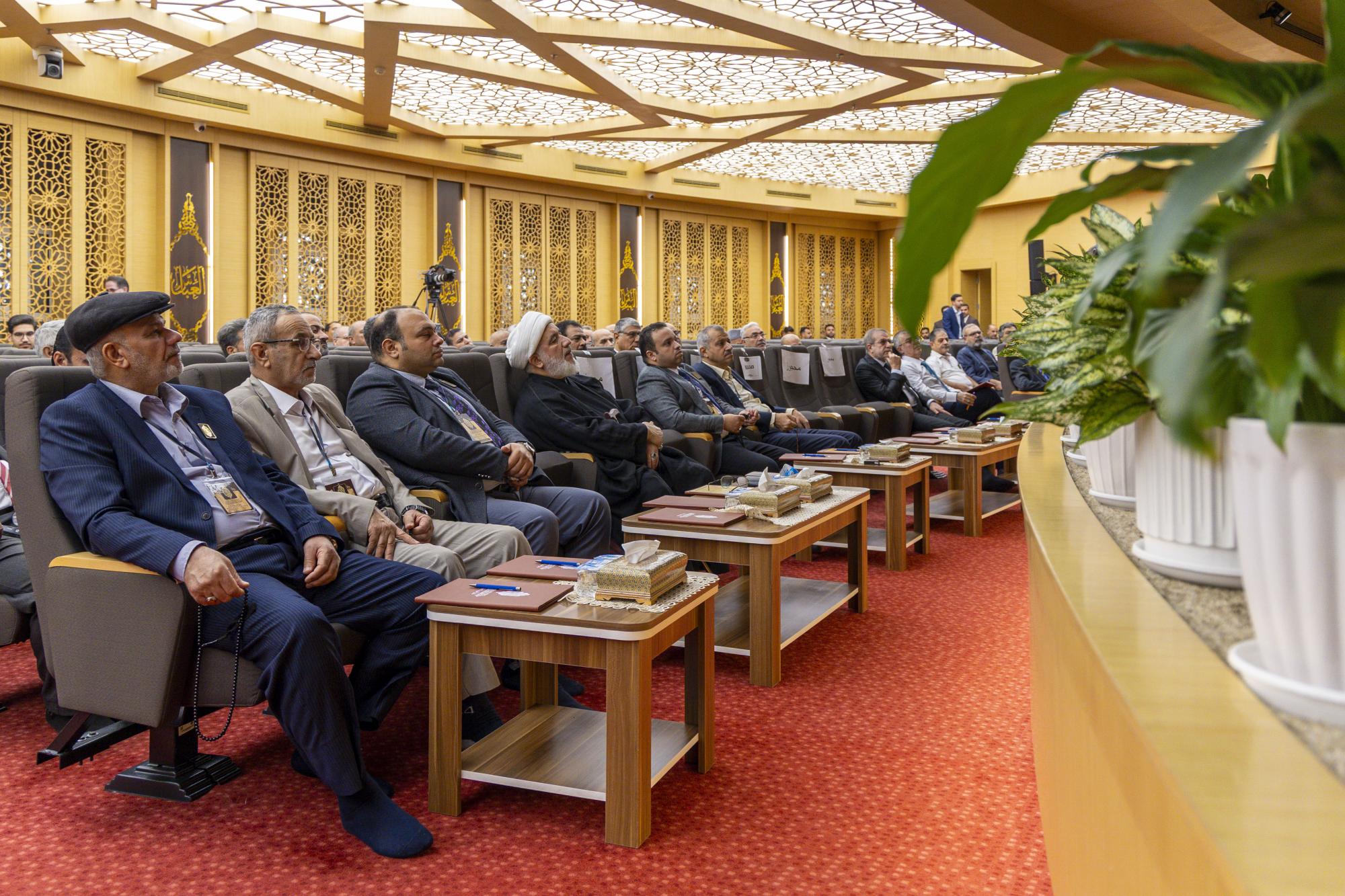
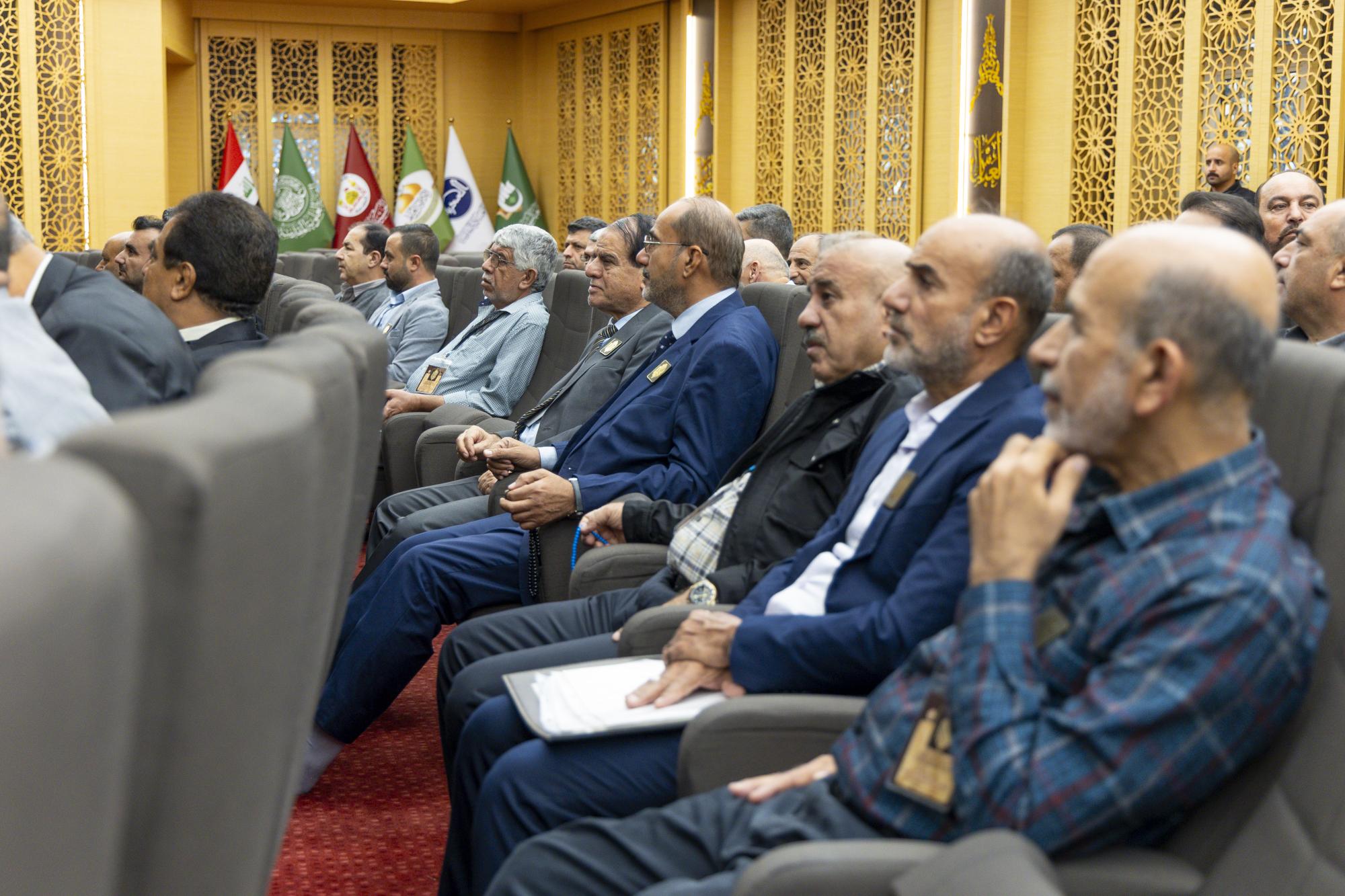
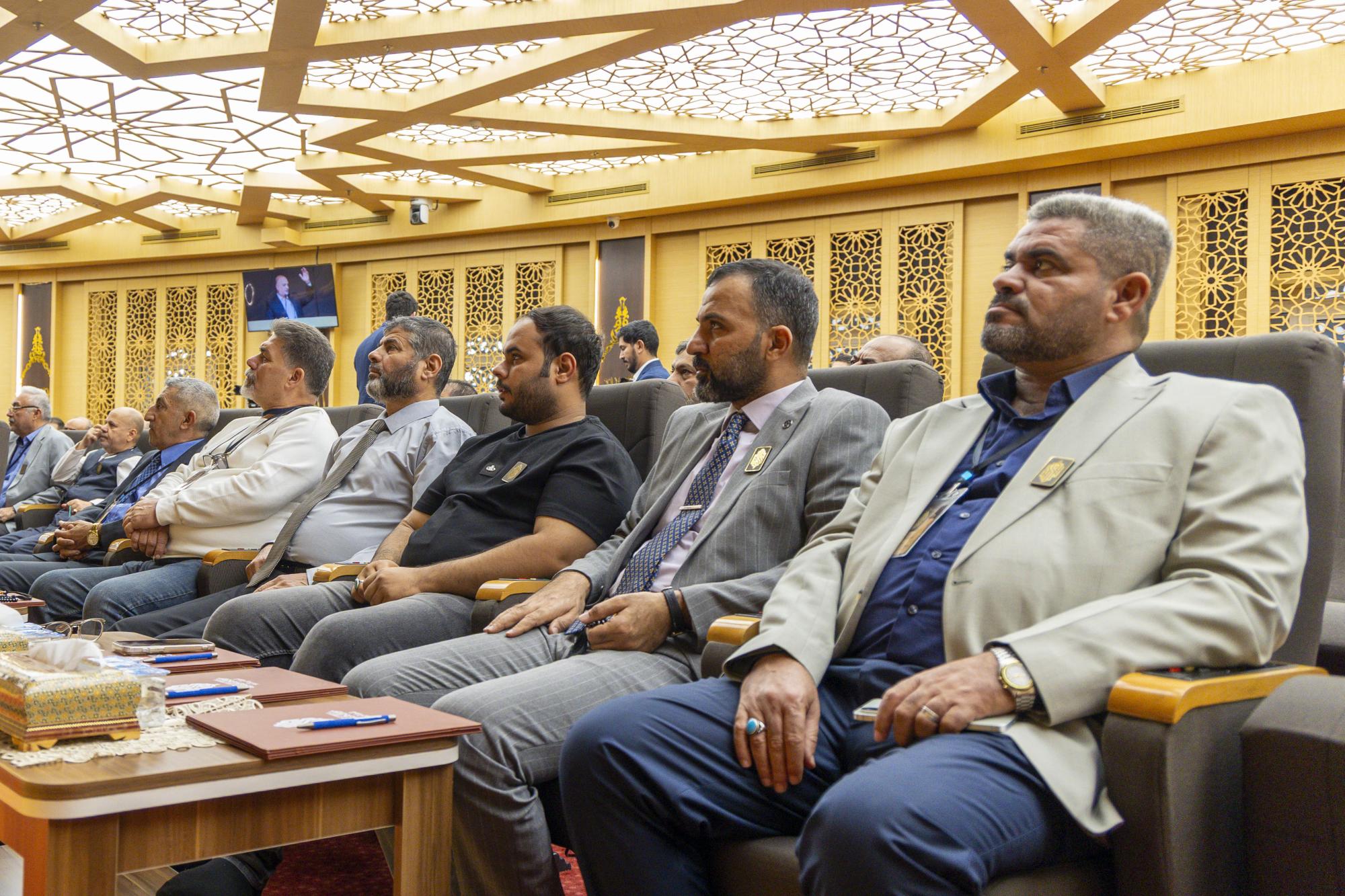
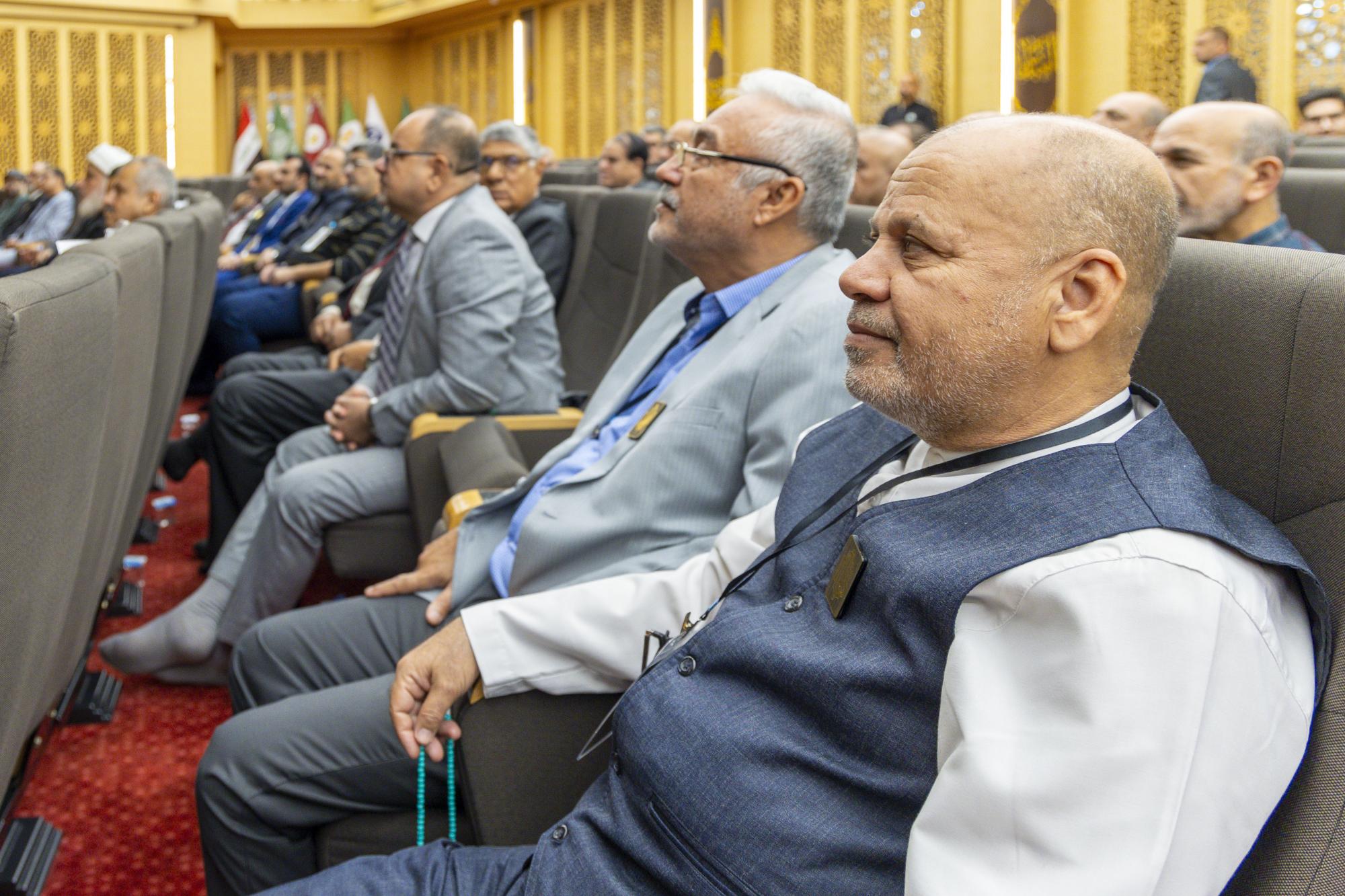
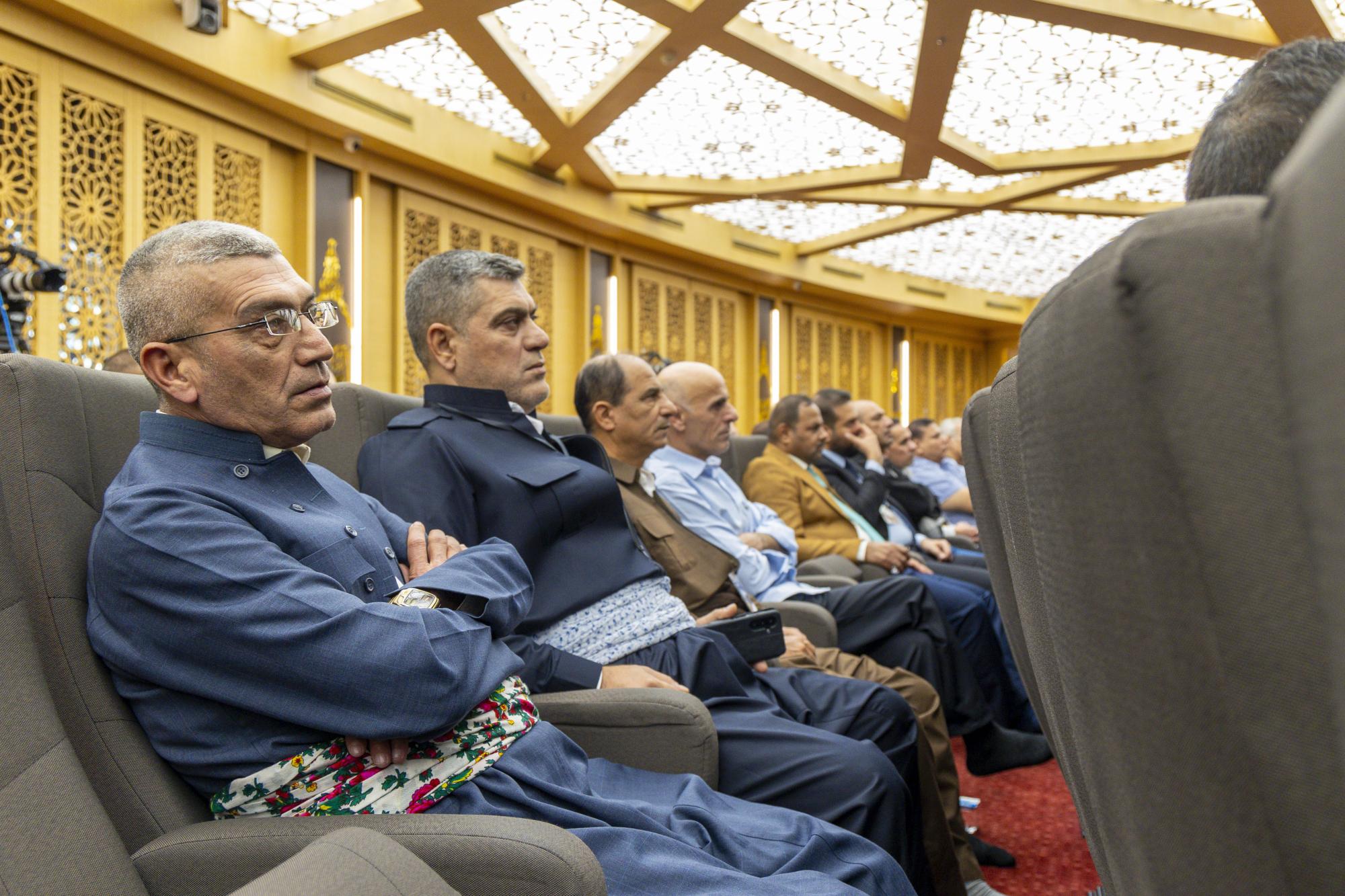
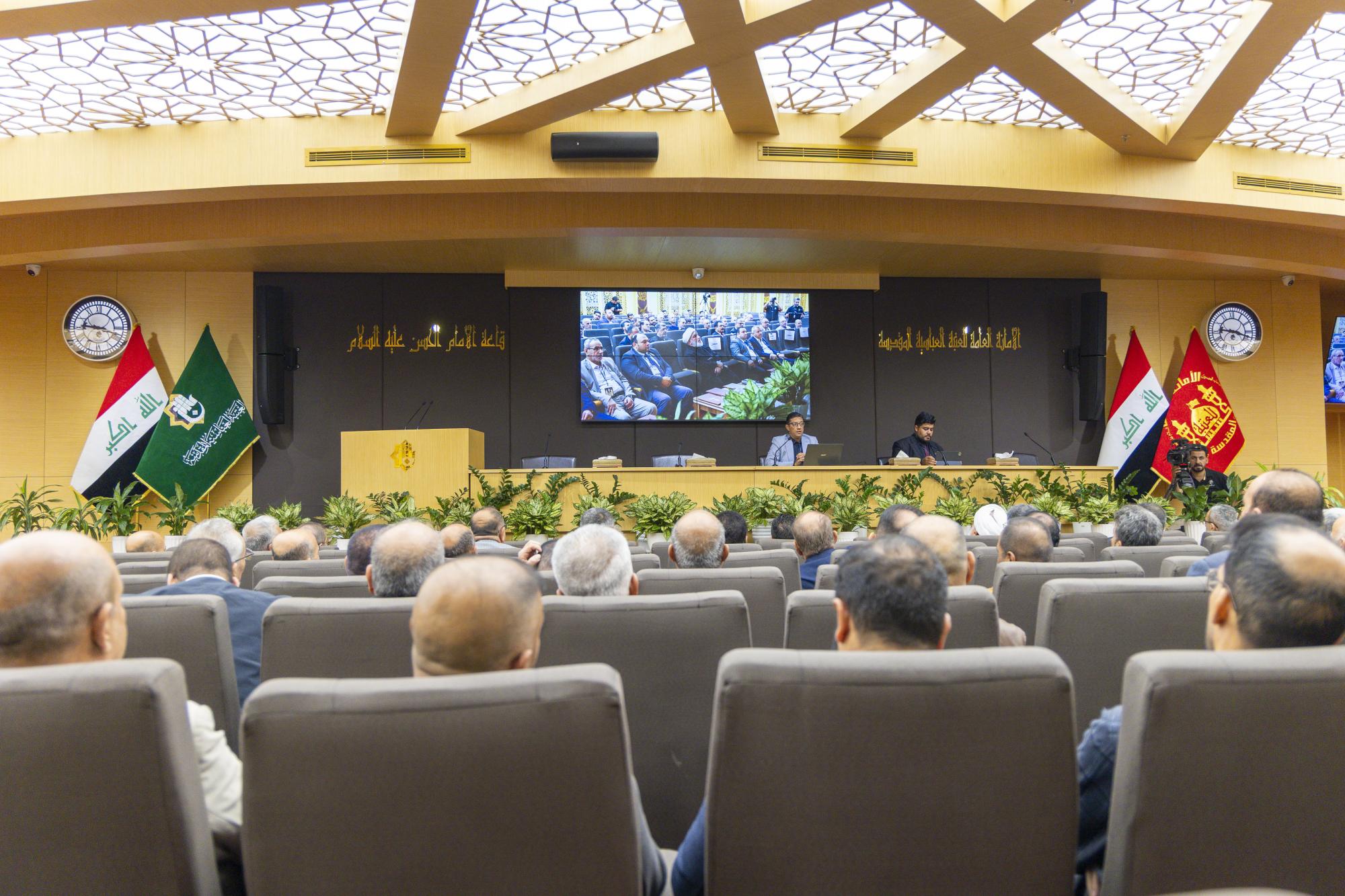
The conference is organized by the Al-Kafeel Center for Arabic Calligraphy and Ornamentation—an affiliate of the Holy Shrine—and is taking place from November 25 to 27, 2026, with the participation of calligraphers and ornamentation specialists from both within Iraq and abroad.
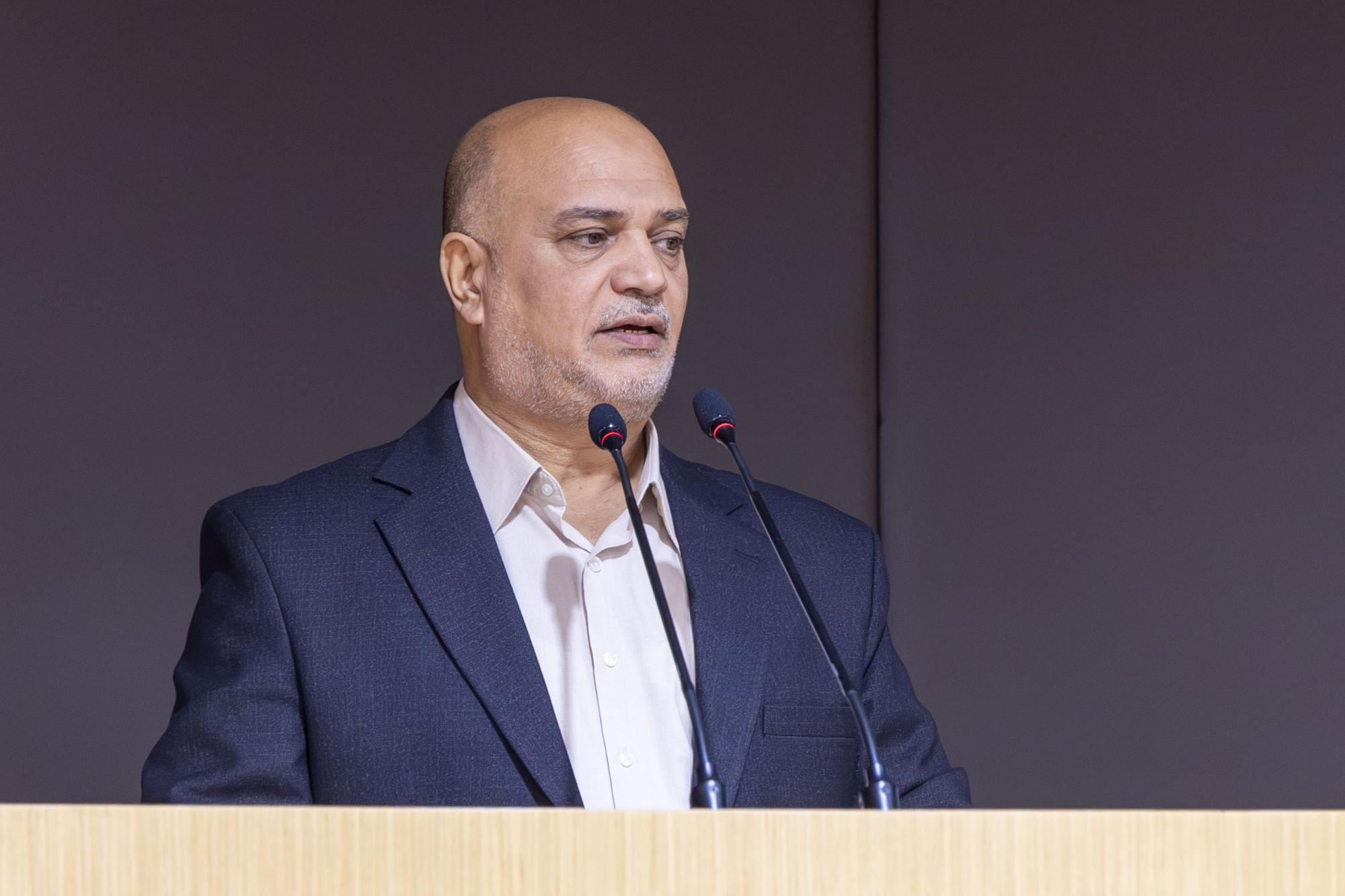
The second day’s program features two sessions: a morning session and an evening session. The morning session includes four seminars: the first, presented by Dr. Ahmed Mansour, explores early Arabic script inscriptions in the Arab world; the second, by Dr. Khaled Mujahid, examines the secrets of the letterform and its psychological and aesthetic dimensions; the third, by Dr. Said Qasim Oglu, discusses pedagogical methods in Arabic calligraphy and the relationship between a master and their students; and the final seminar, by Dr. Ayoub Qushji, addresses the conceptual aspects of creating calligraphic works.
The evening session also comprises four seminars: the first, by Dr. Rodhan Bahiya, focuses on the role of the calligrapher Hafiz Osman in the creation of the *Hilya al-Nabawiyya al-Sharifa* (the noble prophetic description/ornament); the second, by Dr. Wissam Kamel, explores the decorative design within the *Hilya al-Nabawiyya al-Sharifa*; the third, by Dr. Hussein Jarmat, examines calligraphic composition—from traditional stability to conceptual transformation; and the final seminar, by Dr. Kifah Jumaa Hafiz, discusses the spatio-temporal structure of Arabic calligraphic works.
The Al-Abbas's (p) Holy Shrine aims to preserve the aesthetics of Arabic calligraphy and Islamic ornamentation by creatively blending classical rigor with contemporary expressive horizons. It seeks to foster a cultural and scholarly movement that nurtures the potential of creative individuals and enriches the artistic landscape through specialized local and international artistic activities—ensuring that the Arabic script remains a vibrant pulse that encapsulates cultural identity and serves as a cornerstone of refined Islamic art.