العربية
 فارسى
 Türkçe
 اُردُو
 Français
 Deutsch
 Kiswahili
 Español
 Azərbaycan

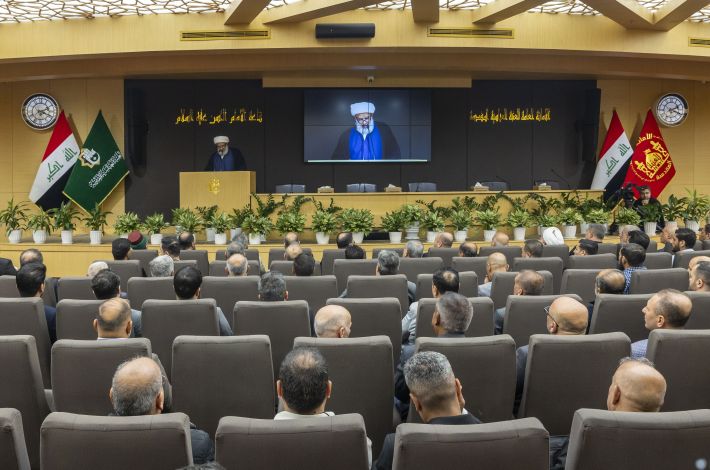
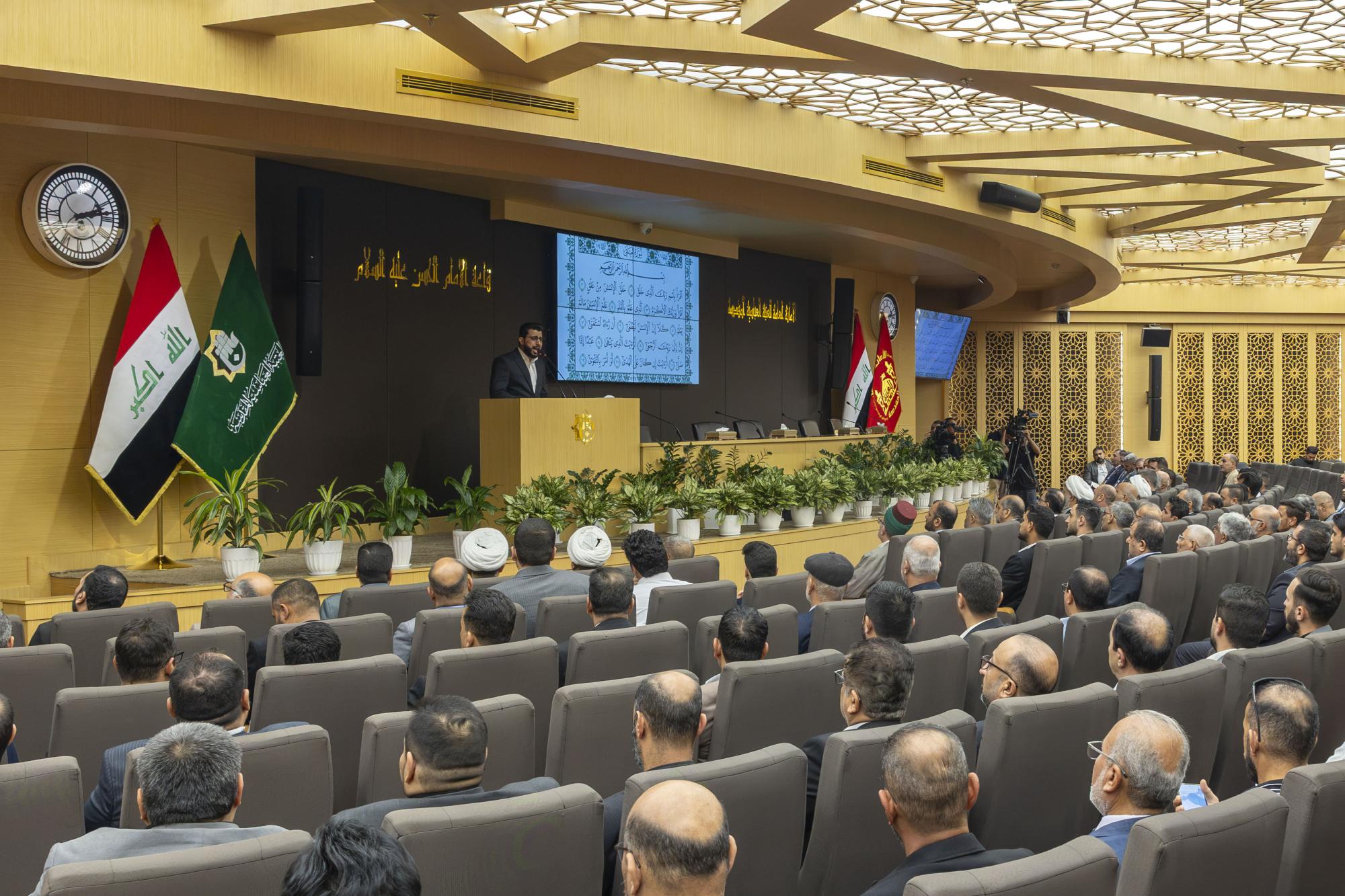
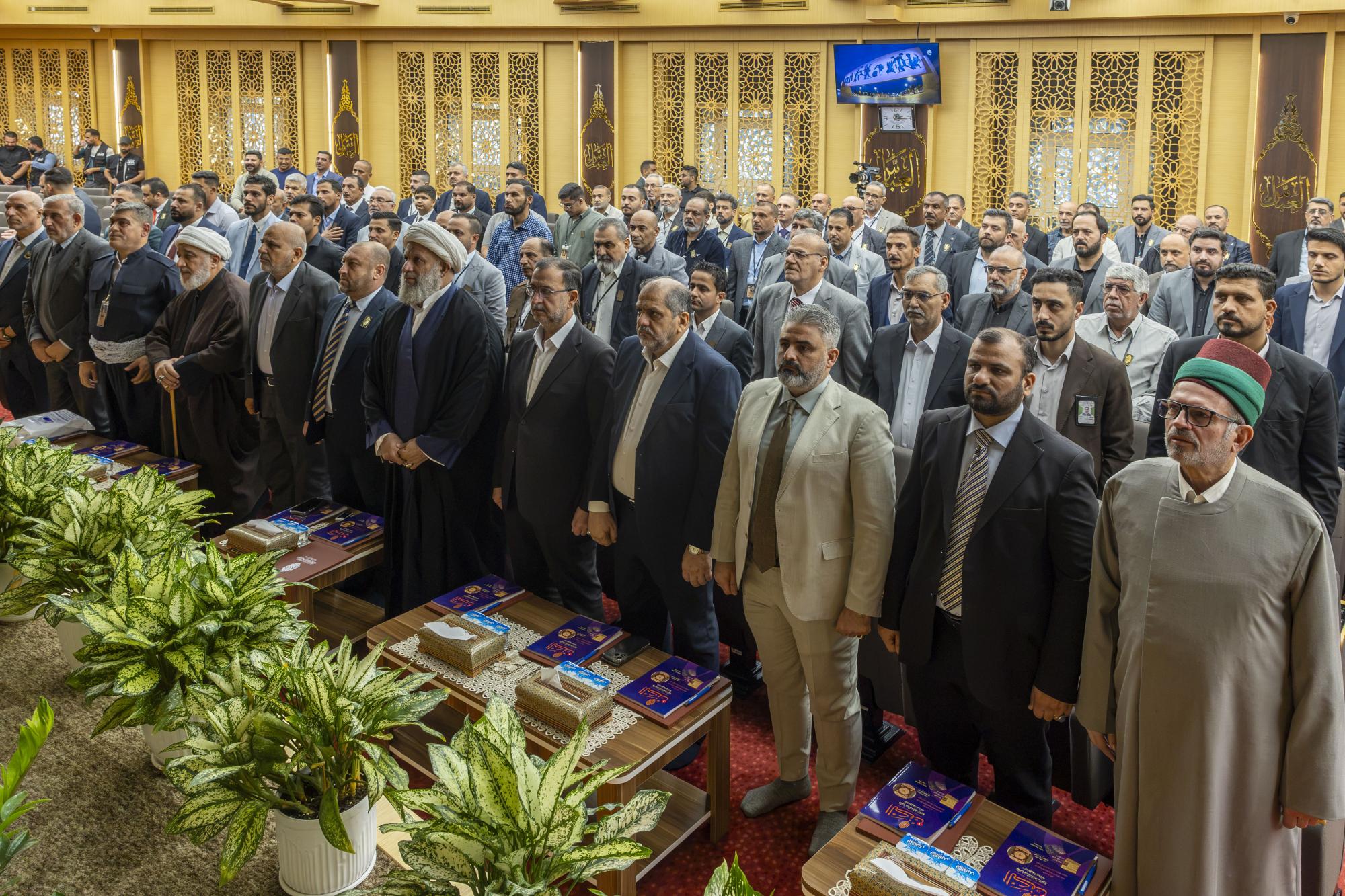
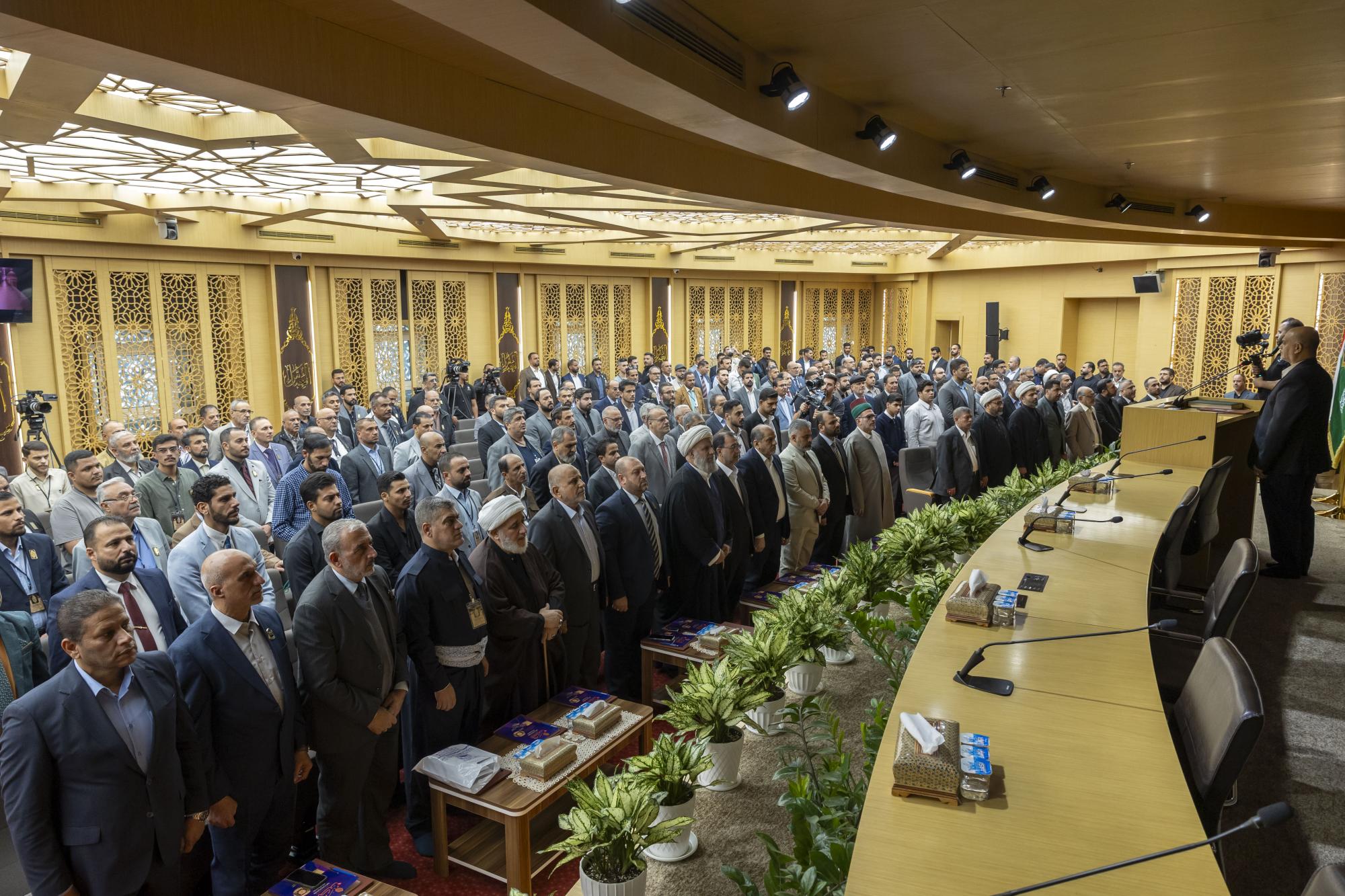
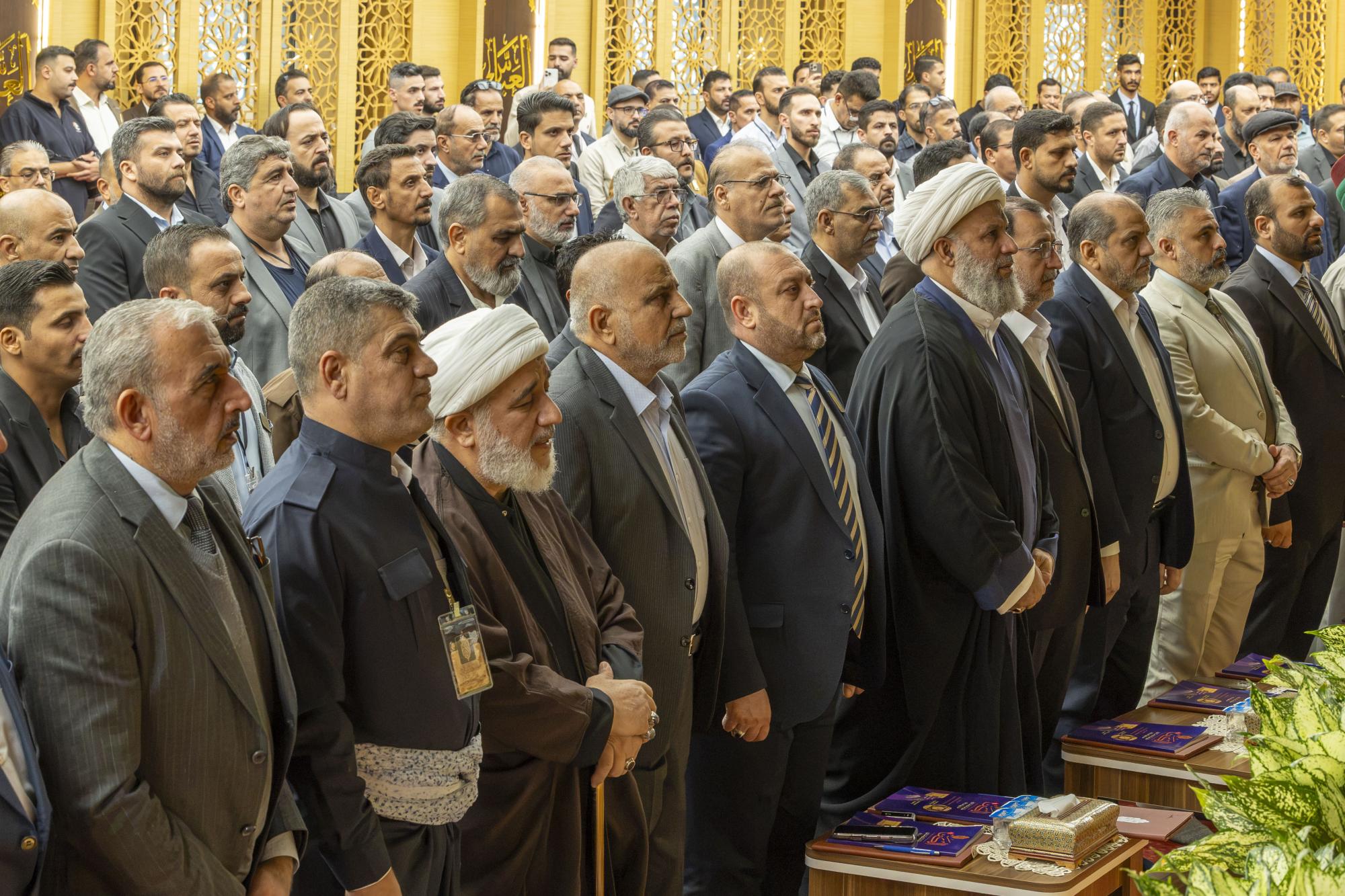
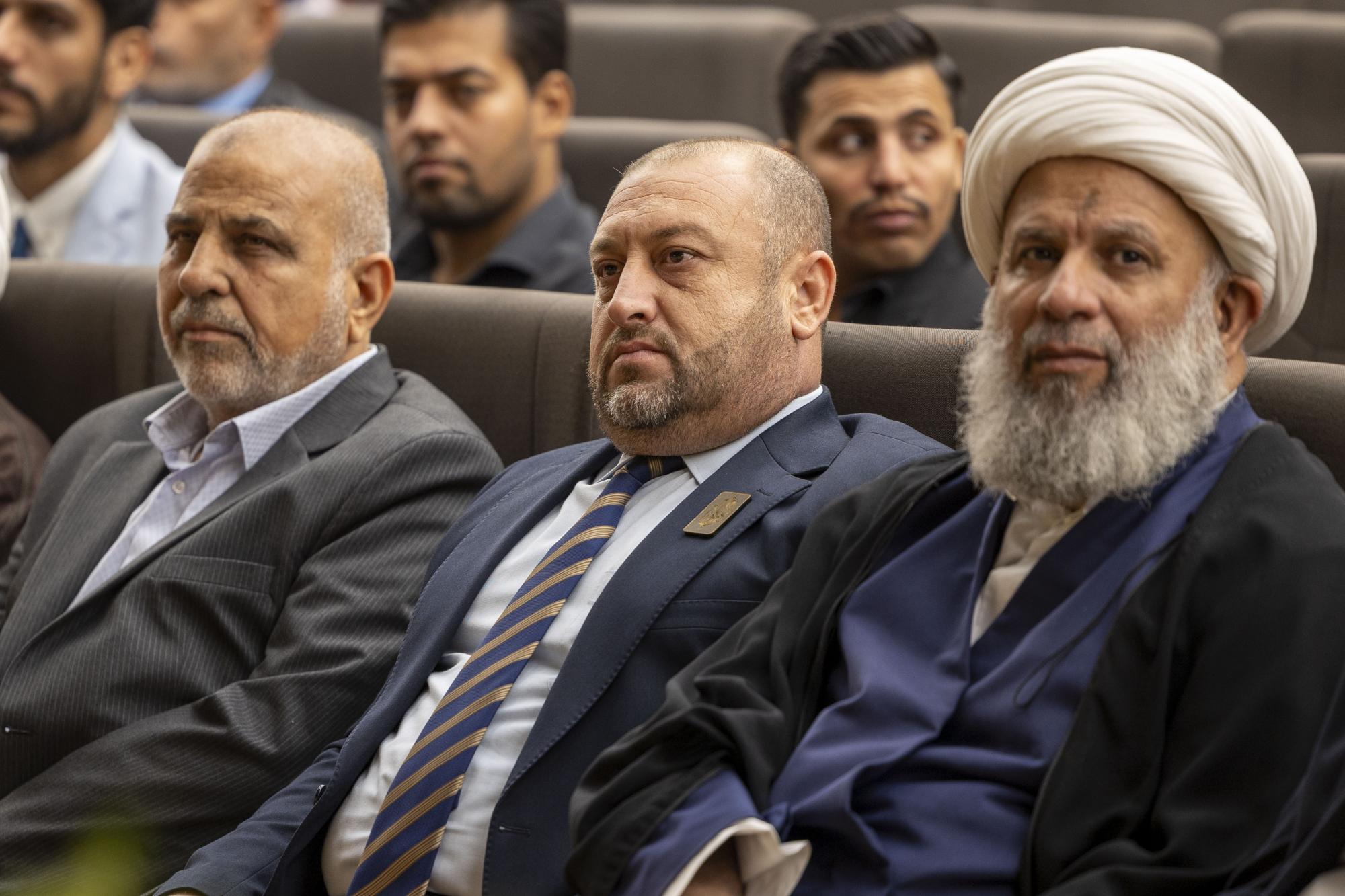
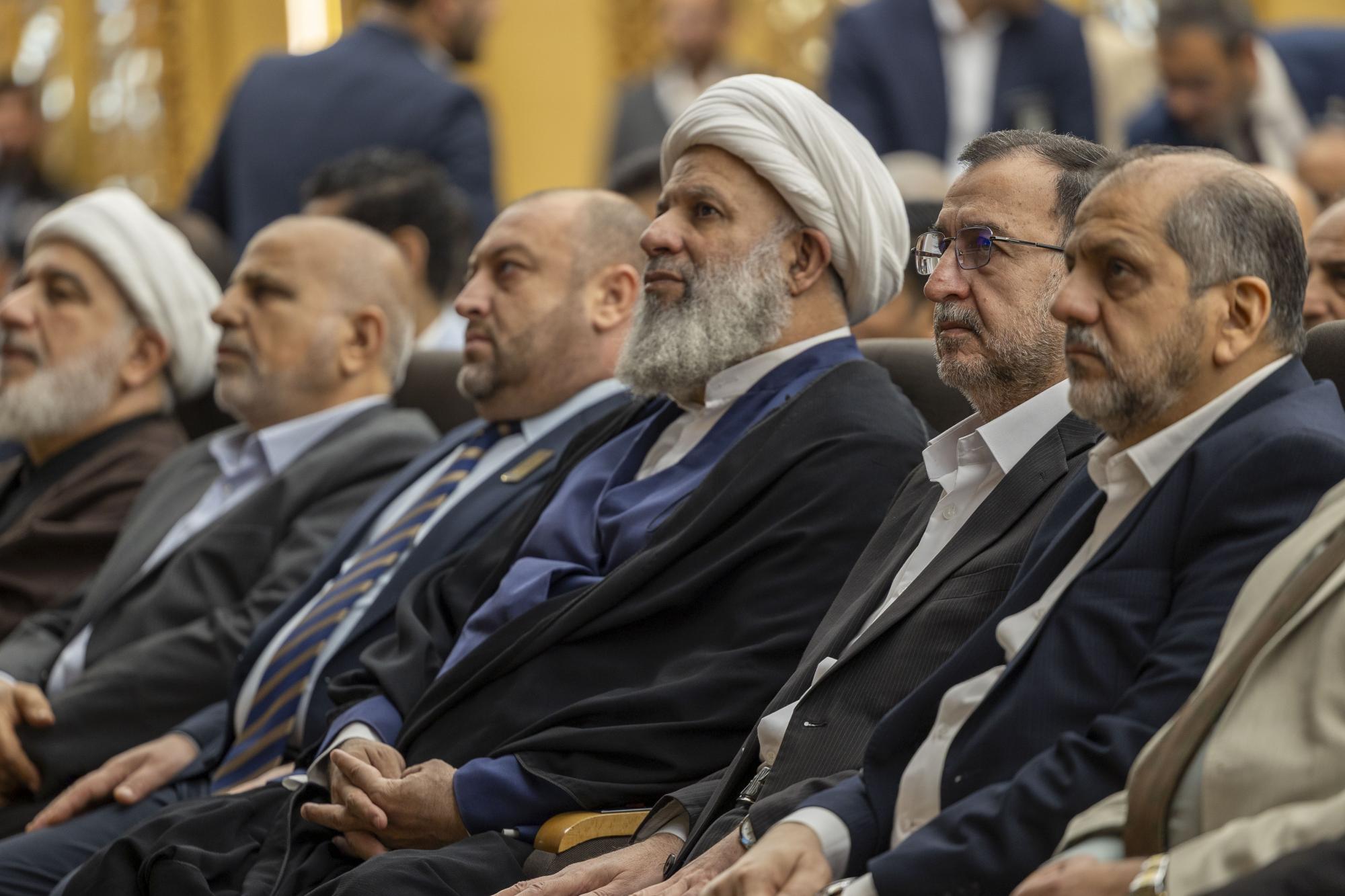
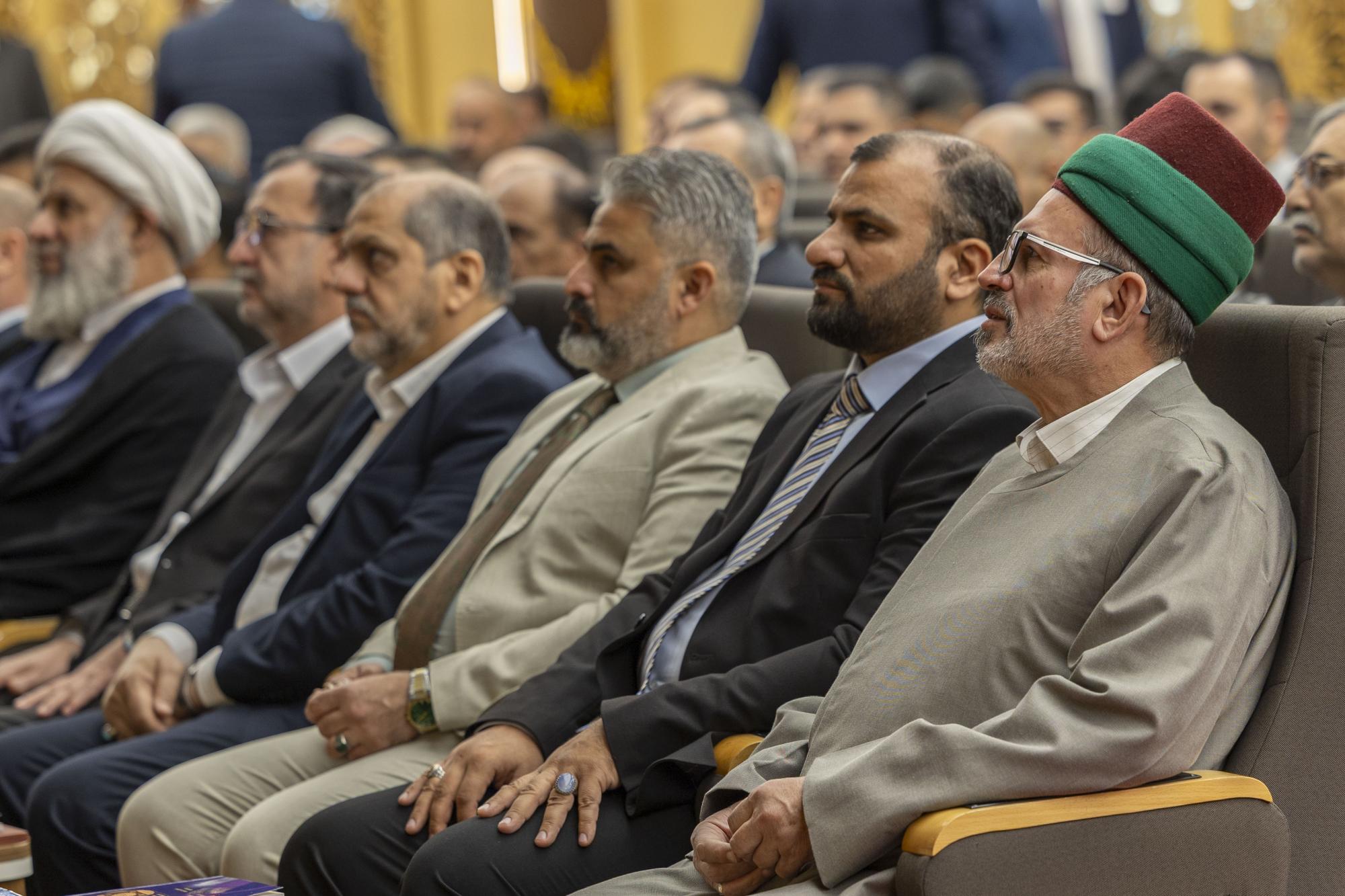
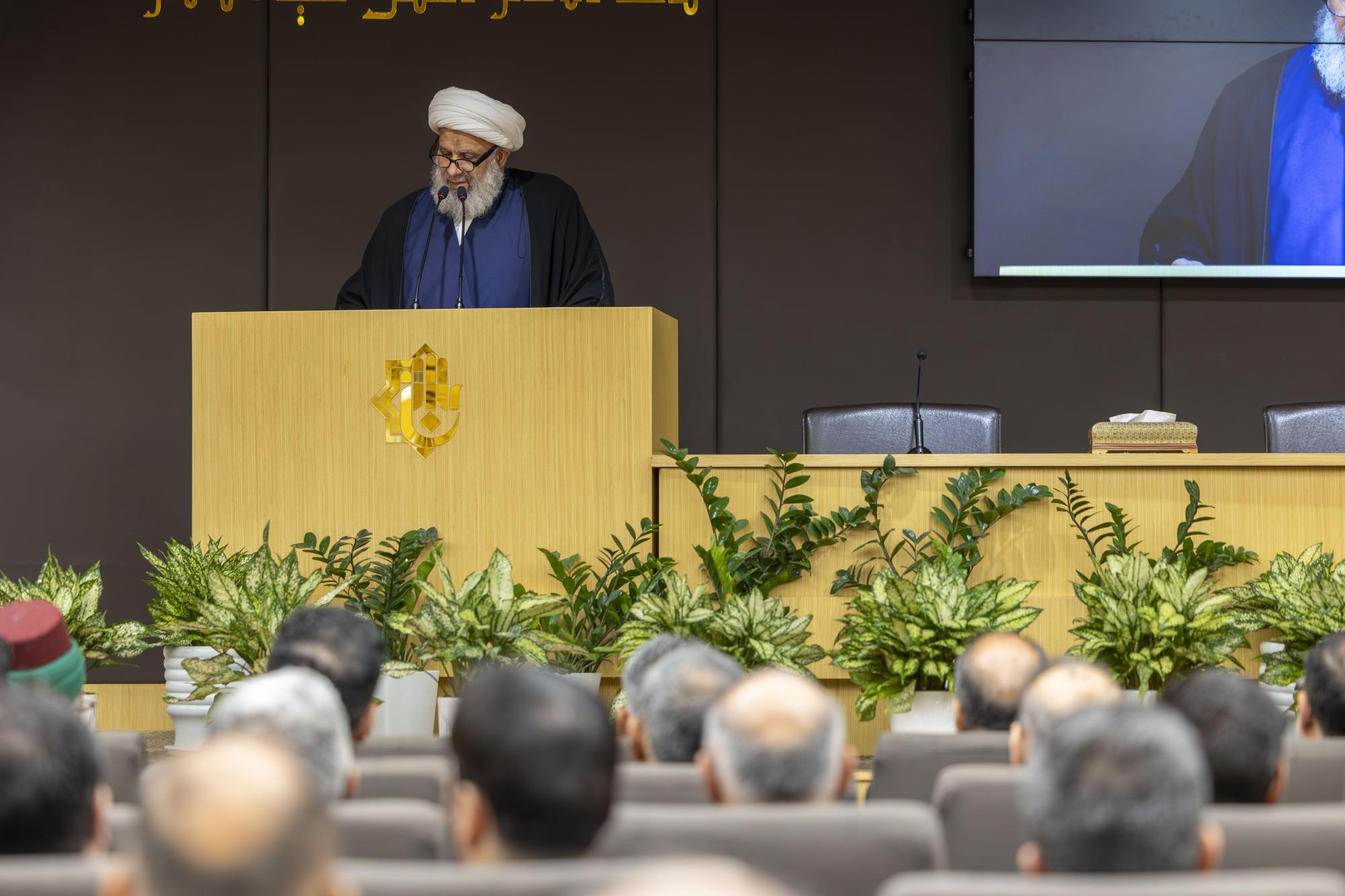
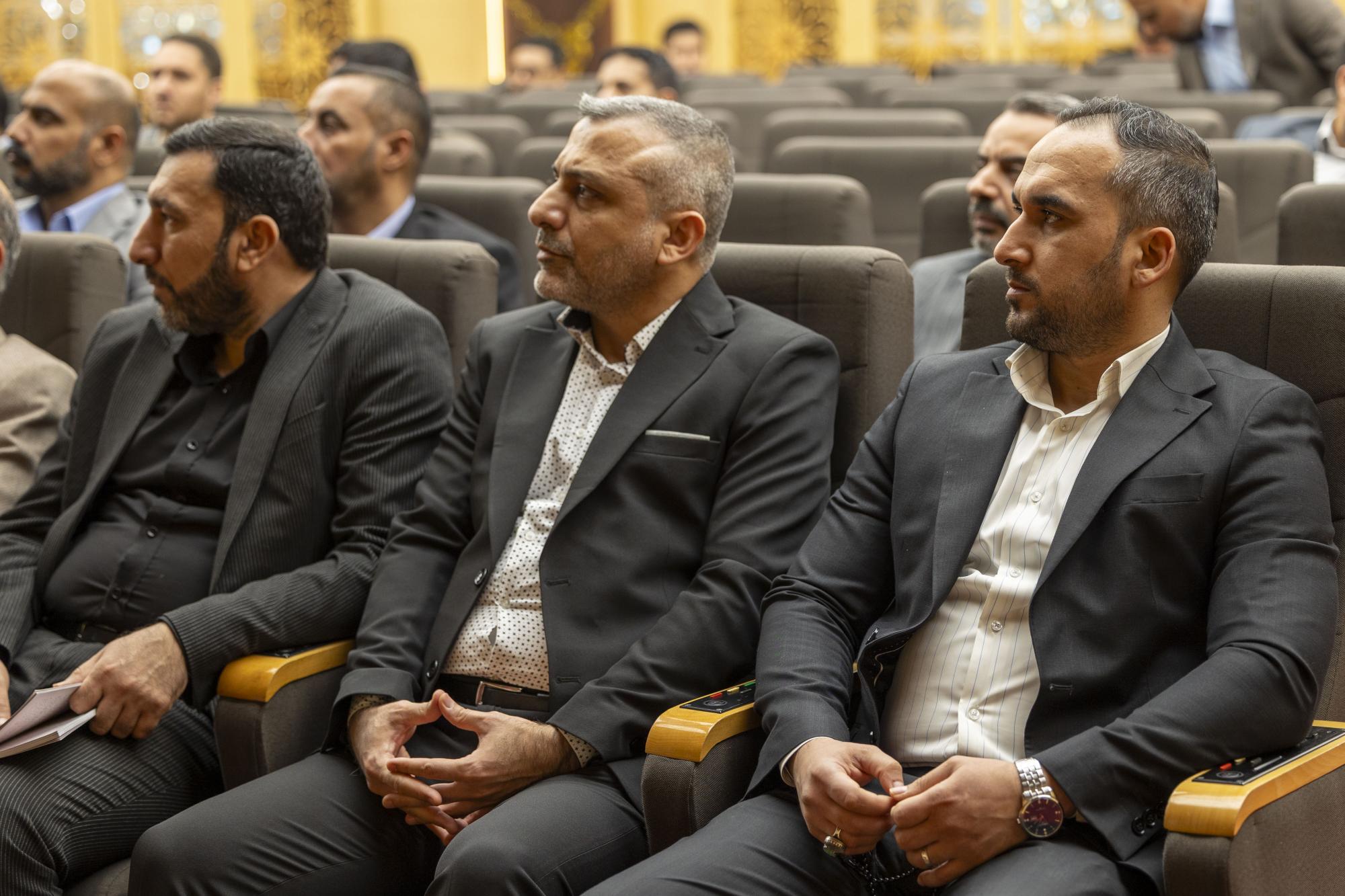
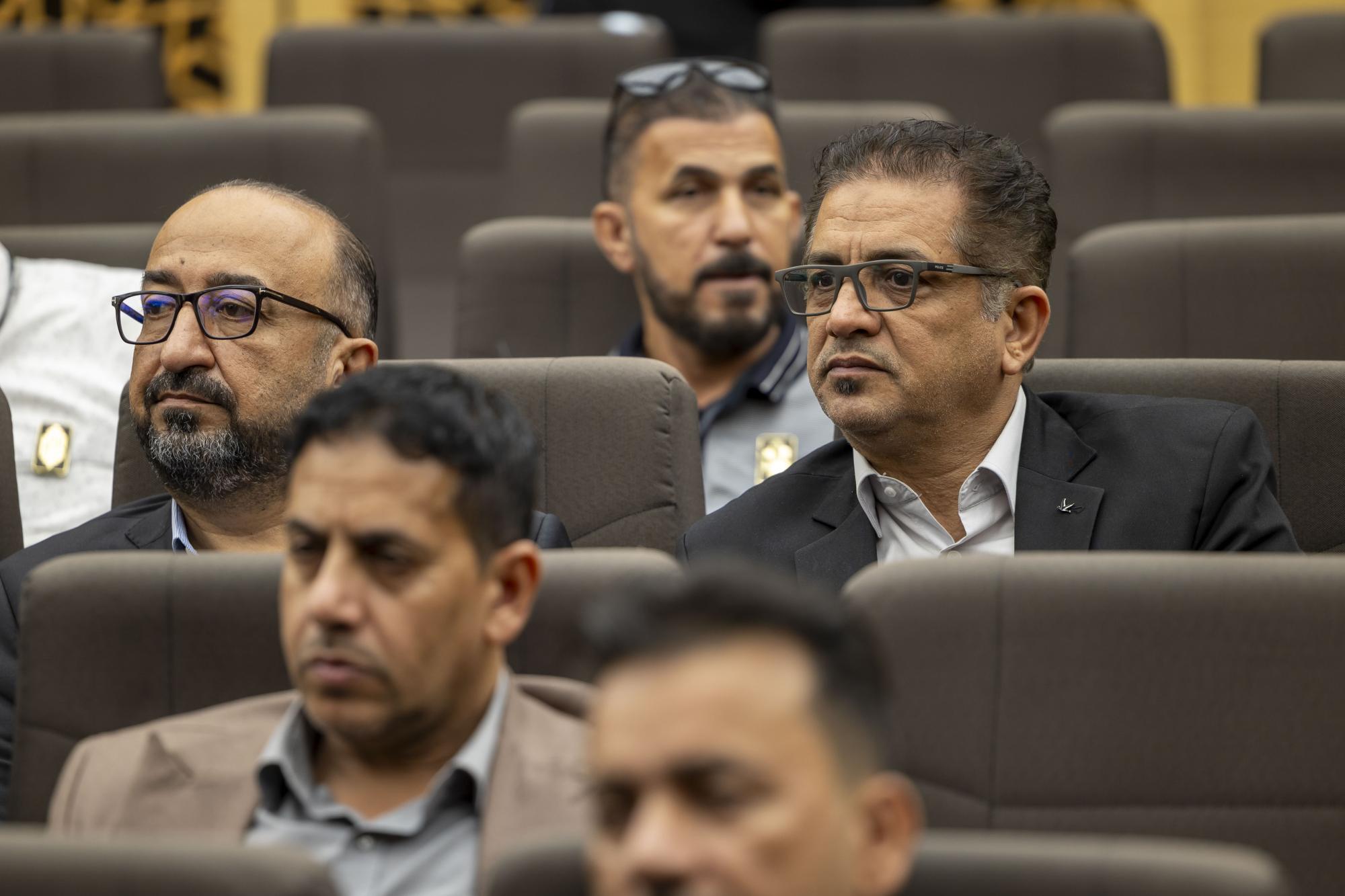
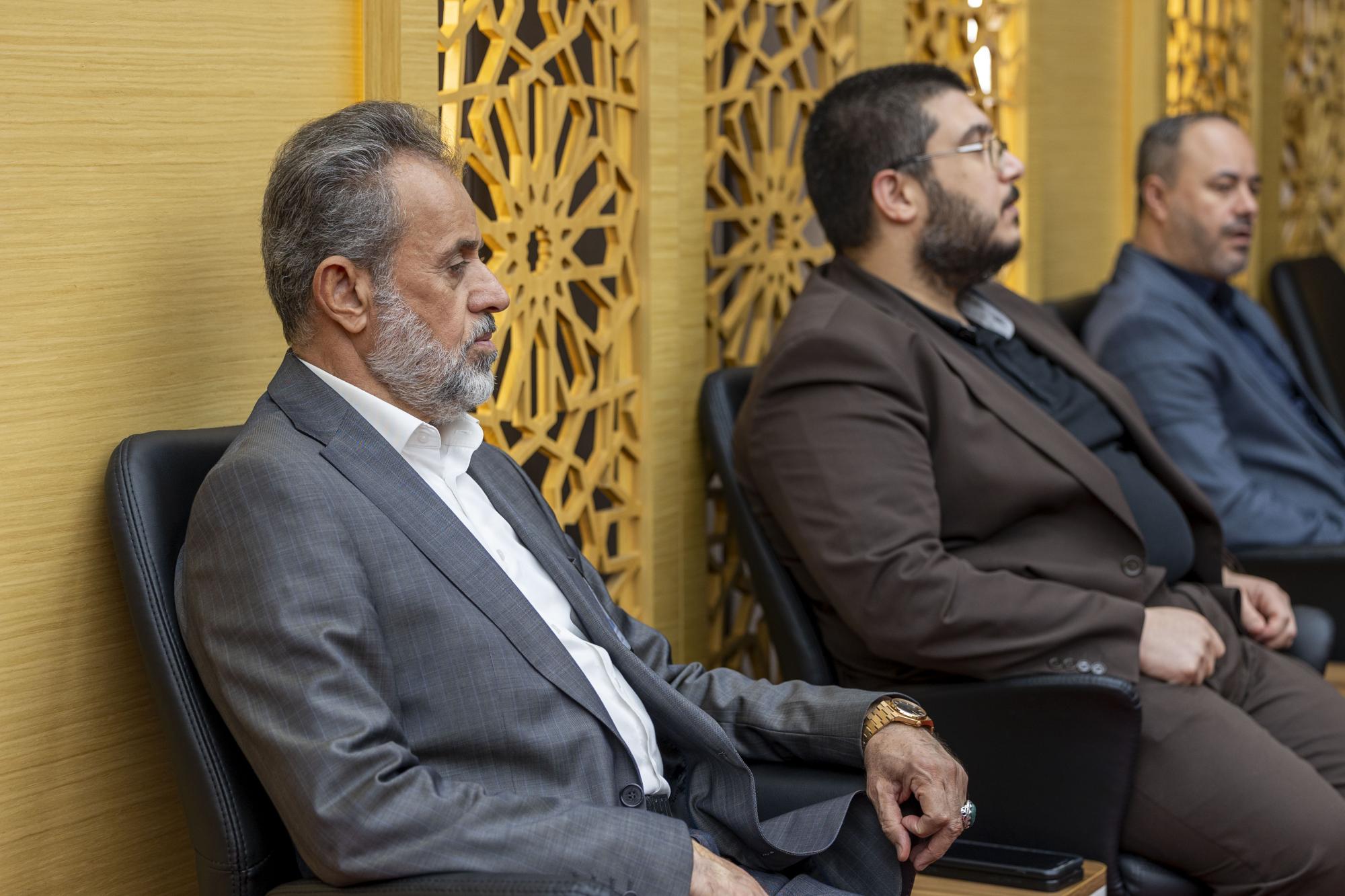
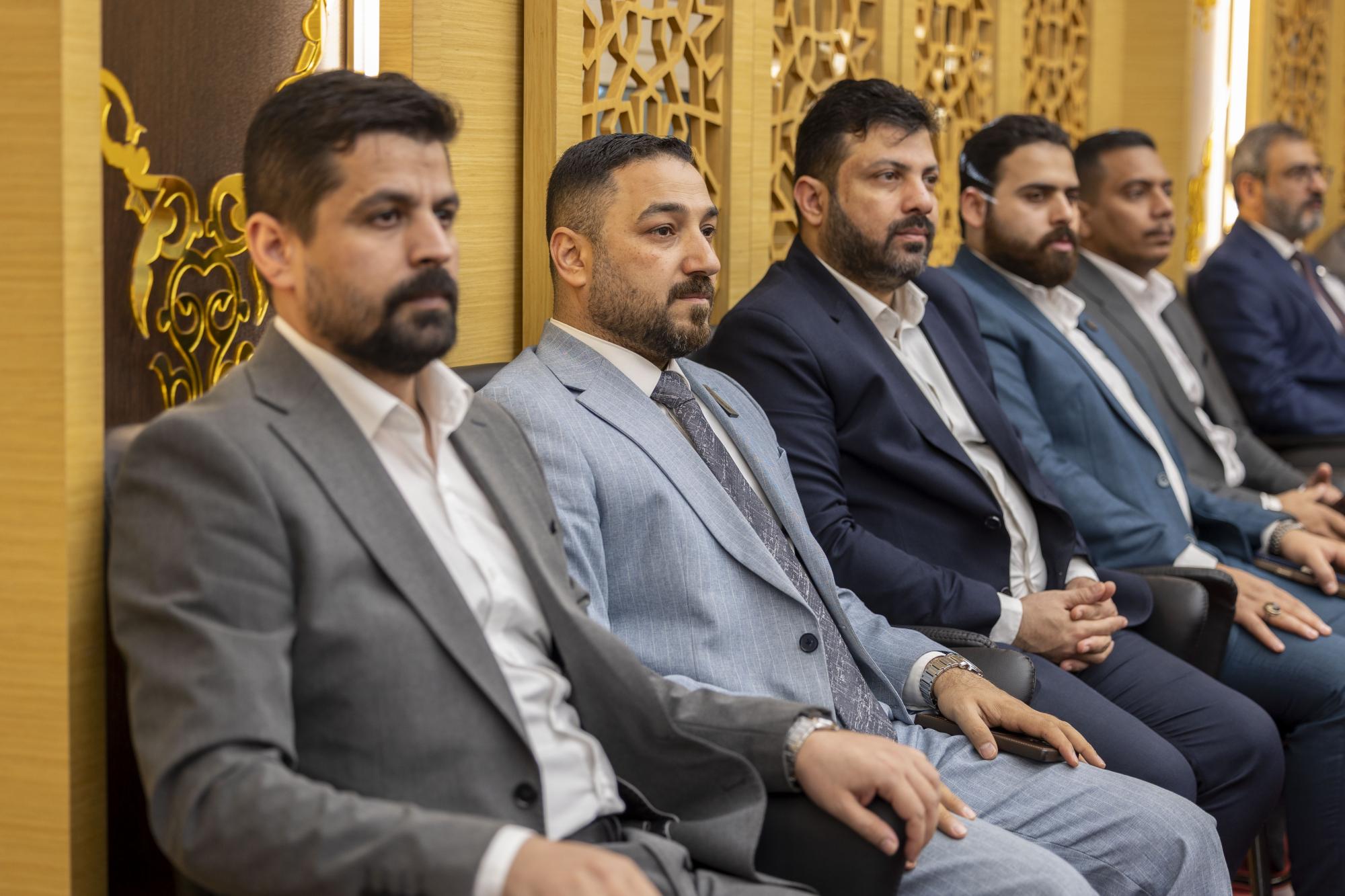
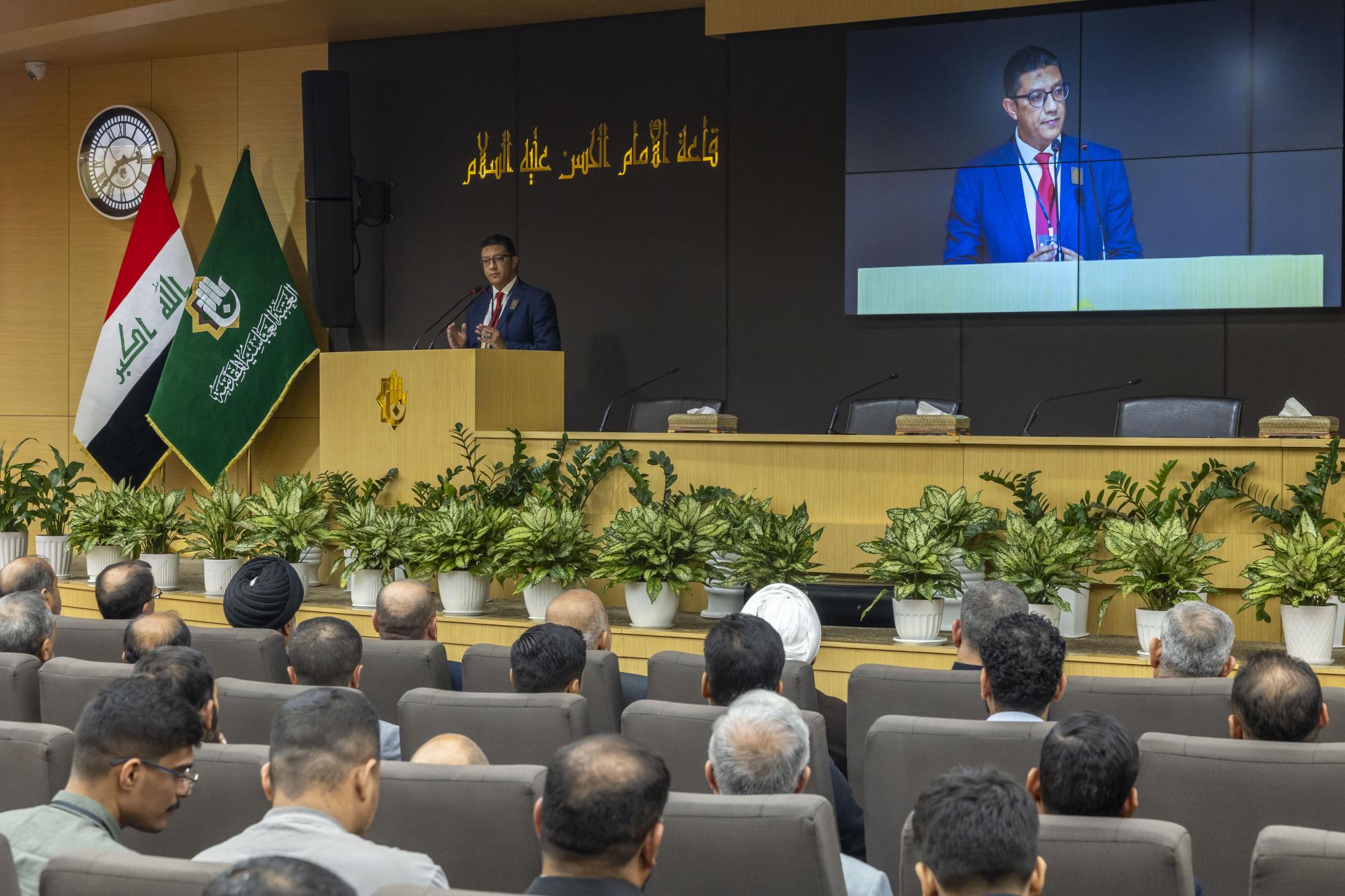
Organized by the Al-Kafeel Center for Arabic Calligraphy and Illumination—an affiliate of the Holy Shrine—the conference runs from November 25 to 27, 2026. It features the participation of calligraphers and specialists in Islamic illumination from both within Iraq and abroad.
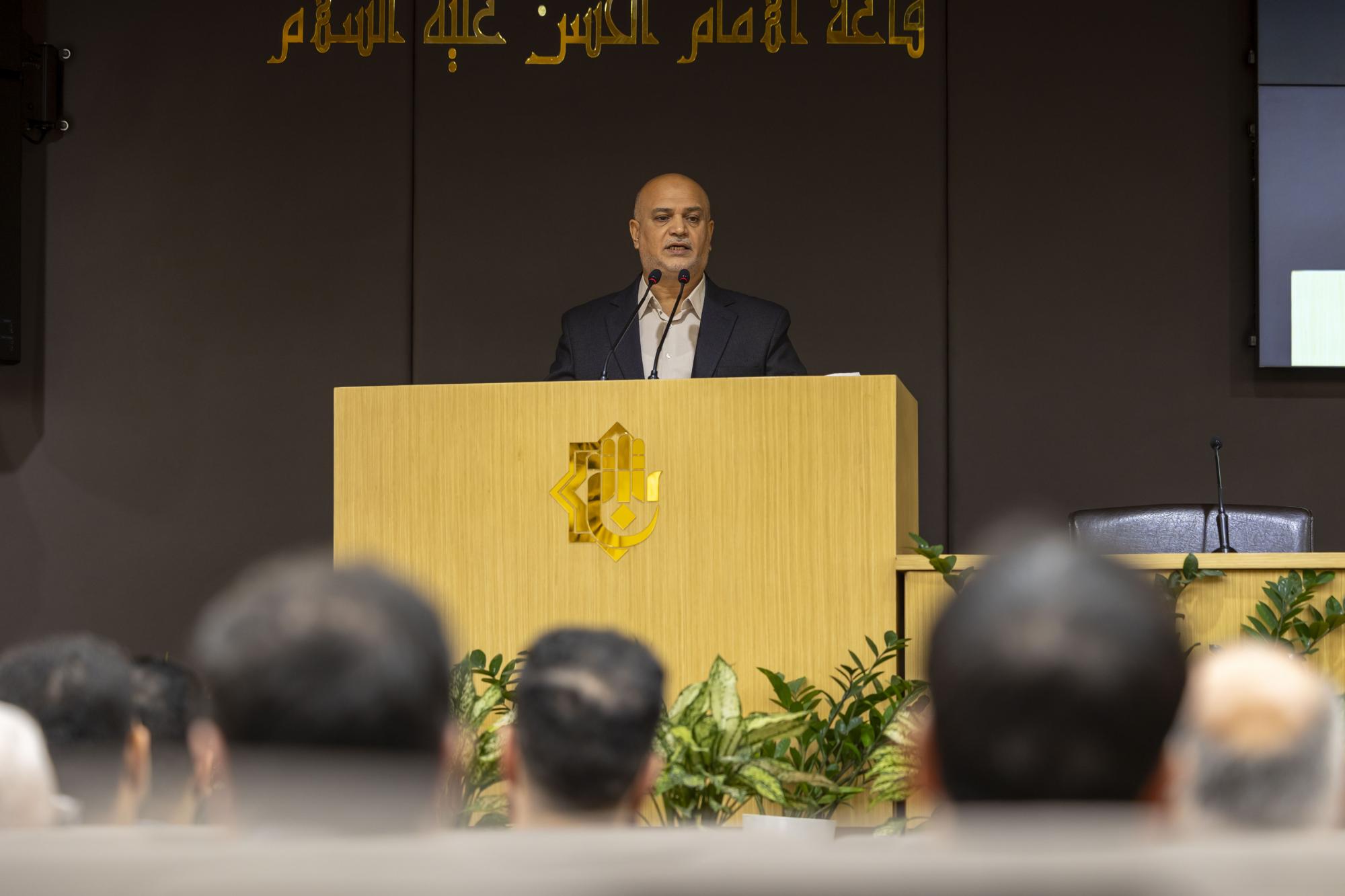
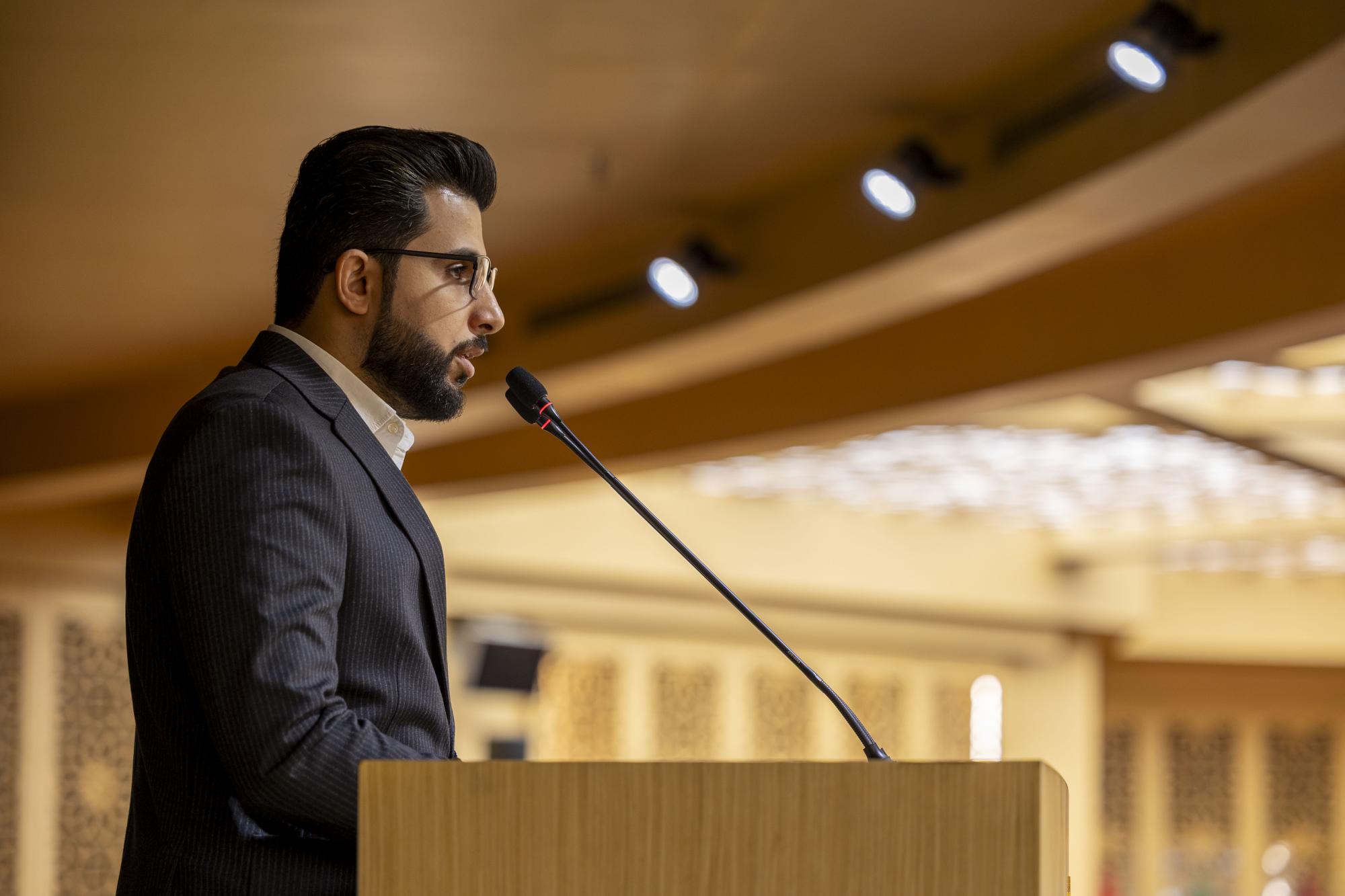
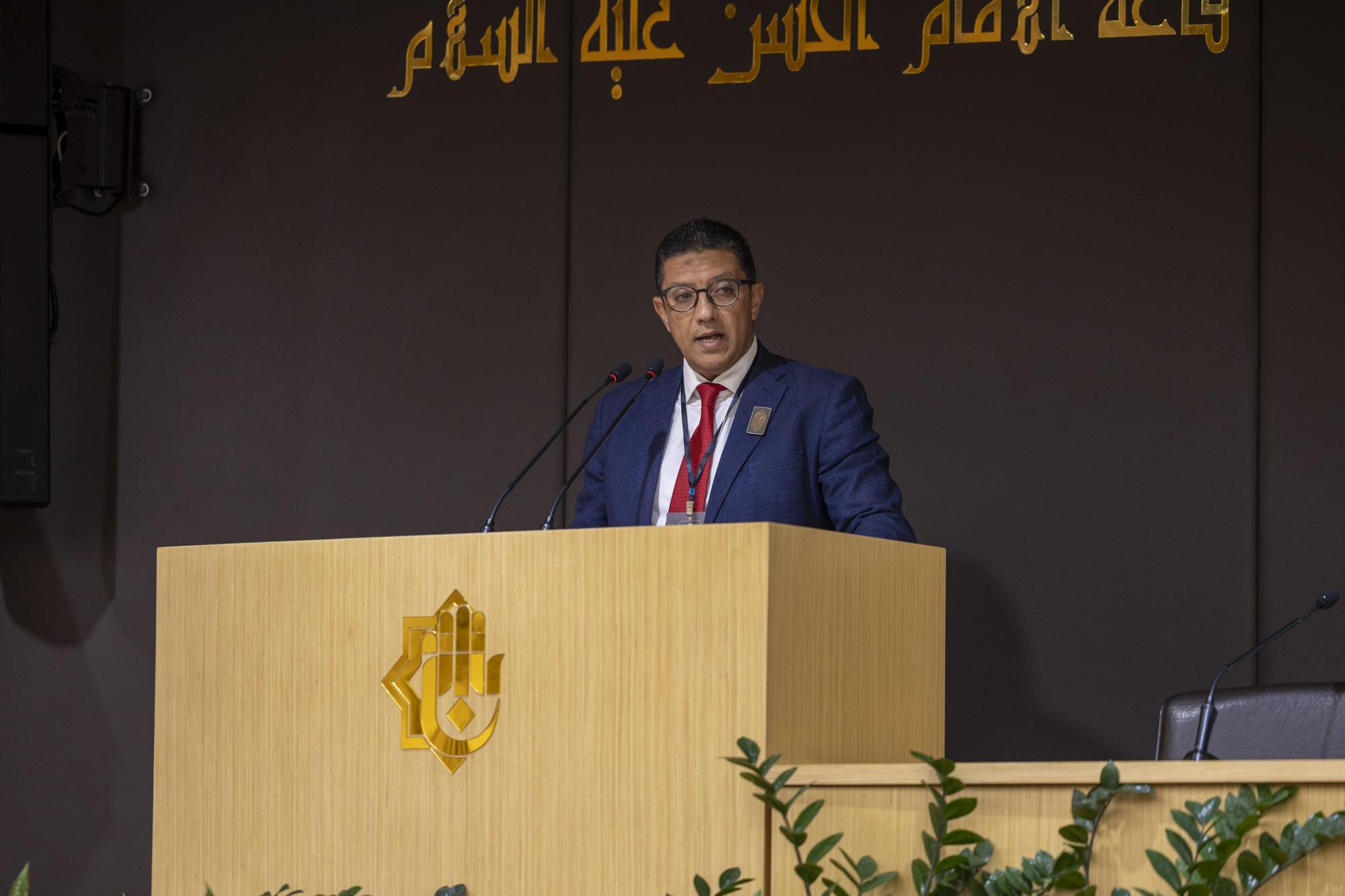
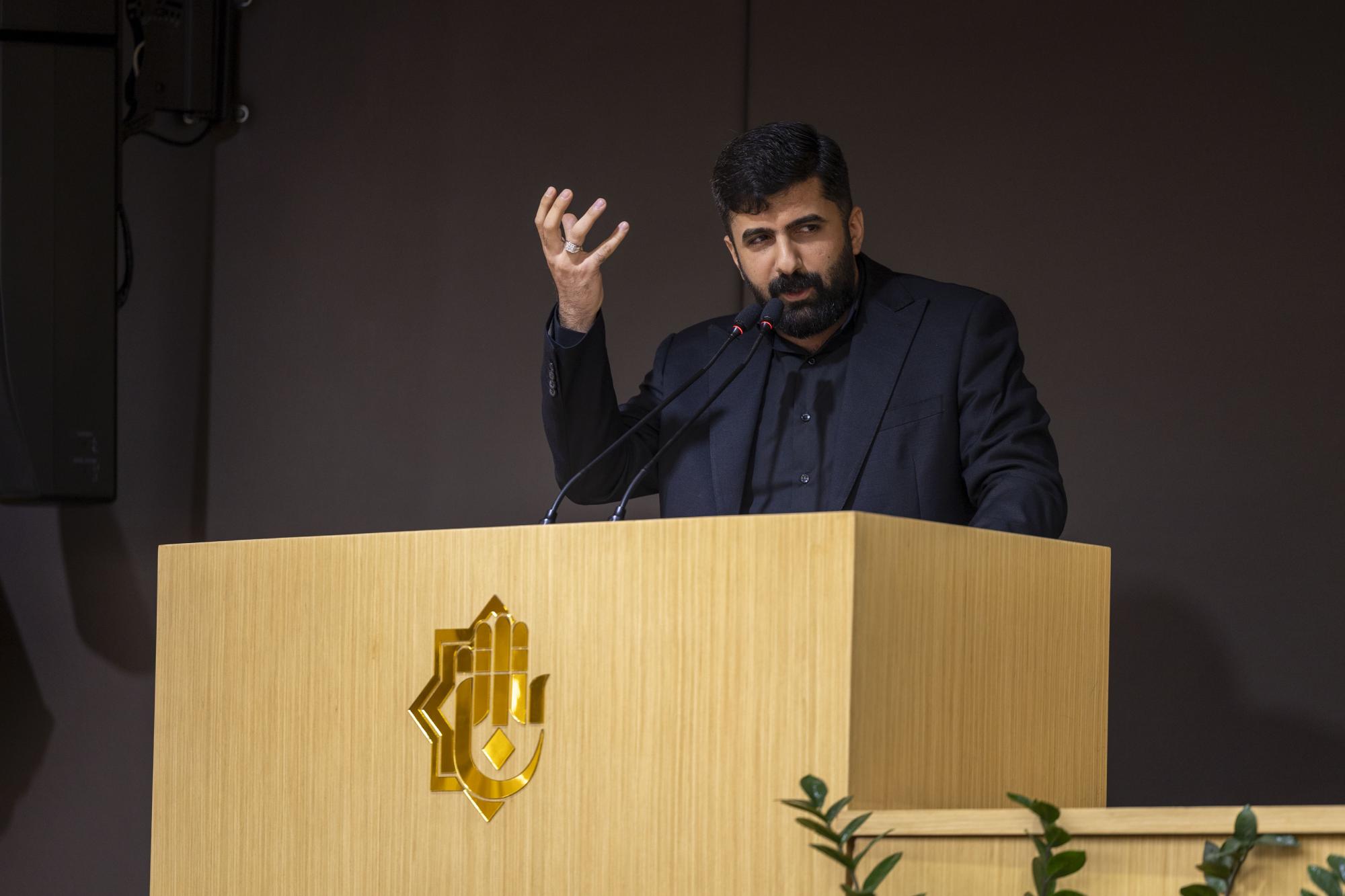
Mr. Mohammed Falih, Director of the Center, stated: "Today marks the commencement of the first Al-Kafeel International Conference on Arabic Calligraphy and Illumination. The event features a diverse academic and artistic program, including scholarly research, an exhibition of Arabic calligraphy, and specialized workshops, with participants from various Arab and Islamic nations."
He added: "The conference includes over 50 academic research papers and the participation of 35 calligraphers. Furthermore, more than 10 calligraphers from various countries submitted their works for the exhibition, and delegations from five different nations are taking part in the proceedings."
Falih emphasized that "Arabic calligraphy represents the identity and cultural memory of the Islamic nation. No other civilization has devoted as much care to this art form as Islamic civilization has. It is not merely an aesthetic pursuit; rather, it serves as an ethical message and an educational school—one that helps refine aesthetic sensibilities, fosters respect for meaning, and evokes the glories of those who came before us—those who followed the path of the Ahl al-Bayt (peace be upon them)."
He explained that "the Al-Abbas's (p) Holy Shrine—through its various departments and under the patronage of His Eminence Sayed Ahmad al-Safi—has accorded great importance to the art of Arabic calligraphy. It has provided the necessary support and care for this craft, out of a firm belief in its significance as a fundamental component of Islamic civilization and as an educational medium that helps cultivate artistic sensibility in future generations."
The Al-Abbas's (p) Holy Shrine aims to preserve the aesthetics of Arabic calligraphy and Islamic ornamentation by creatively blending classical rigor with contemporary expressive horizons. It seeks to foster a cultural and scholarly movement that nurtures the potential of creative individuals and enriches the artistic landscape through specialized local and international activities. In doing so, the Arabic script remains a vibrant pulse—encapsulating cultural identity and serving as a cornerstone of refined Islamic art.